

How Clean Interiors Shape Brand Perception in the Digital Age
In today’s highly competitive digital landscape, brand perception is shaped by far more than logos, websites, and social media campaigns. While online visibility and technical optimization are essential, the physical environments where businesses operate still play a crucial role in how brands are experienced and remembered.
Offices, studios, coworking spaces, and client-facing environments are extensions of a brand’s identity. From furniture choices to overall cleanliness, these spaces silently communicate professionalism, attention to detail, and credibility. For many businesses, maintaining clean and well-kept interiors—including services such as upholstery cleaning phoenix az—has become part of a broader brand management strategy rather than a simple maintenance task.
First Impressions Still Matter — Even in a Digital World
Marketing conversations often focus on digital-first interactions, yet in-person experiences remain powerful. Clients, partners, and employees form impressions within seconds of entering a space. Worn, stained, or neglected furniture can undermine even the strongest digital presence.
Upholstered furniture absorbs daily wear: dust, allergens, spills, and odors that are not always visible but are often noticeable. These details influence how a space feels—and by extension, how a brand is perceived.
In brand psychology, consistency is key. A sleek website paired with a neglected office environment creates cognitive dissonance, weakening trust and credibility.
The Silent Role of Physical Space in Brand Storytelling
Every brand tells a story, whether intentionally or not. Physical environments contribute to that narrative just as much as visual identity and messaging. Clean, comfortable spaces suggest reliability, care, and respect for people’s experiences.
In marketing terms, this is part of the “offline touchpoint ecosystem.” While digital marketers track impressions and clicks, physical environments shape emotional responses that are harder to quantify but no less influential.
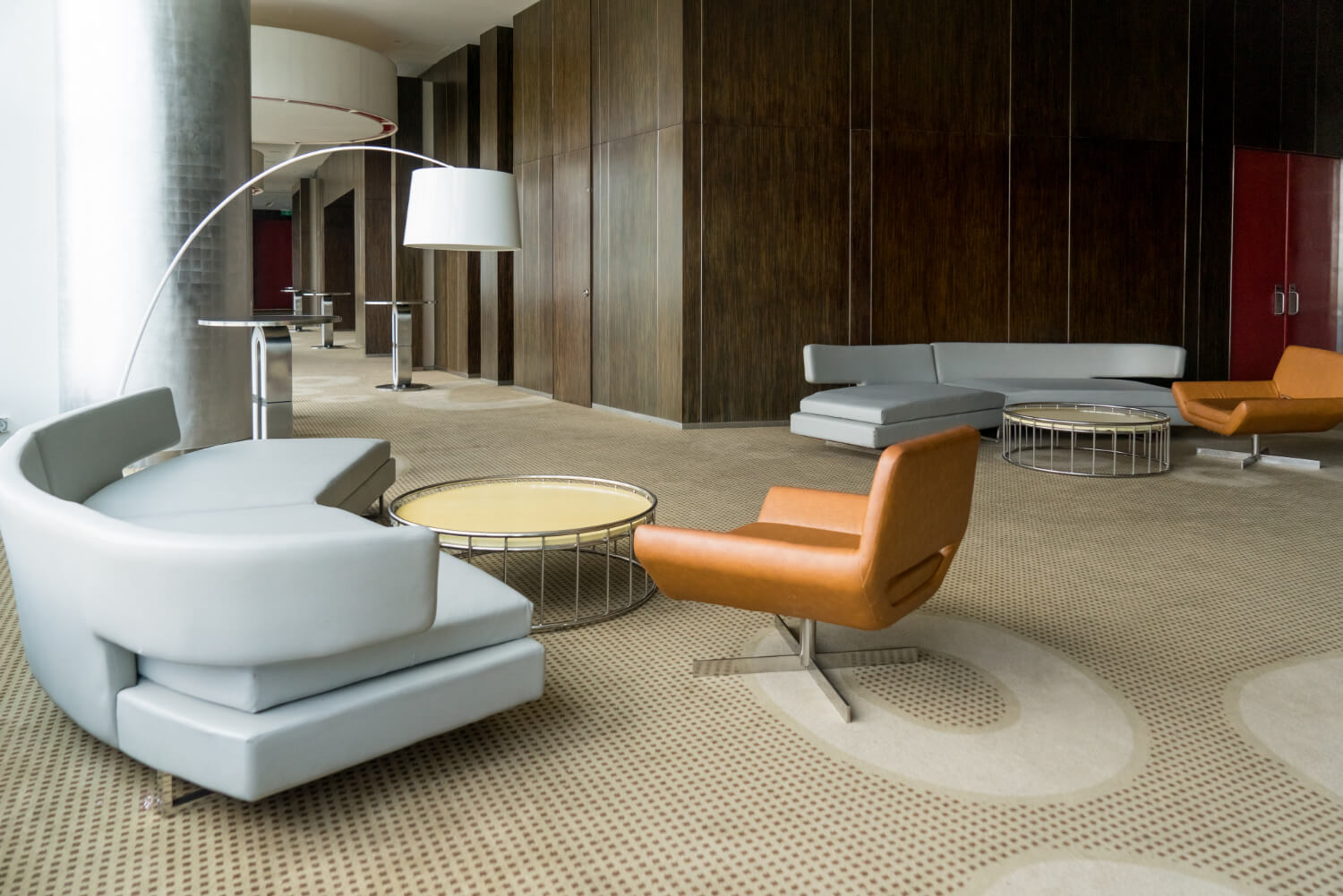
Furniture, especially seating, plays a central role in these experiences. Chairs, sofas, and upholstered surfaces are points of prolonged contact, making their condition particularly important.
Cleanliness and Trust in Client-Facing Businesses
Trust is the foundation of successful marketing. Whether a business operates in tech, creative services, or consulting, clients often associate physical cleanliness with operational discipline.
Dirty or poorly maintained upholstery can subconsciously signal neglect, lack of organization, or low standards. Conversely, clean and well-maintained interiors reinforce confidence and professionalism.
This is especially relevant for:
-
Agencies hosting client meetings
-
Tech companies welcoming partners or investors
-
Creative studios collaborating with brands
-
Service businesses relying on repeat clients
In each case, physical space becomes part of the trust-building process.
Employee Experience as a Branding Asset
Modern marketing increasingly overlaps with employer branding. Clean, comfortable work environments affect employee satisfaction, productivity, and retention—all of which influence brand reputation.
Upholstered office furniture accumulates allergens and bacteria over time, potentially affecting indoor air quality and comfort. While these issues may go unnoticed at first, they can contribute to fatigue, discomfort, and dissatisfaction.
From a brand perspective, investing in a healthy workspace signals that a company values its people. This message resonates internally and externally, strengthening the employer brand in competitive markets.
Digital Brands, Physical Realities
Even fully digital or remote-first companies often maintain physical spaces for meetings, content creation, or collaboration. These spaces are frequently featured in marketing materials, social media posts, and behind-the-scenes content.
In such cases, physical cleanliness becomes part of visual branding. Upholstered furniture appears in photos, videos, and livestreams—sometimes unintentionally. Stains, discoloration, or wear can detract from the polished image brands strive to project.
Maintaining clean interiors ensures that physical environments support, rather than undermine, digital marketing efforts.
The Overlooked Link Between Clean Spaces and Conversion
While difficult to measure directly, environmental psychology suggests that clean, comfortable spaces positively influence decision-making. Clients are more likely to feel relaxed, focused, and open to discussion in well-maintained environments.
In marketing terms, this creates favorable conditions for conversion—whether that conversion is a signed contract, partnership agreement, or long-term collaboration.
Clean upholstery contributes subtly to this process by enhancing comfort and reducing distractions. It’s a small detail with a cumulative impact.
Hygiene, Health, and Brand Responsibility
Post-pandemic awareness has heightened sensitivity to hygiene in shared spaces. Businesses are now expected to maintain higher cleanliness standards as part of social responsibility.
Upholstered surfaces, often overlooked in routine cleaning, can harbor dust mites, bacteria, and allergens. Addressing these issues aligns with modern expectations of responsible business practices.
From a marketing standpoint, demonstrating care for health and well-being strengthens brand reputation and aligns with values-driven branding trends.
Operational Efficiency and Long-Term Cost Control
Beyond perception, regular upholstery maintenance supports operational efficiency. Deep cleaning extends the lifespan of furniture, reducing the need for frequent replacements.
For businesses, this translates into cost savings and more predictable budgeting—an important consideration for scaling operations. Sustainable maintenance practices also support environmentally conscious branding by reducing waste.
In an era where brands are scrutinized for sustainability claims, responsible asset management contributes to authentic messaging.
Consistency Across All Brand Touchpoints
Strong brands are built on consistency. This applies not only to visuals and messaging but also to experiences. Clean, well-maintained interiors ensure that physical interactions align with digital promises.
When a brand presents itself as modern, innovative, and detail-oriented online, its physical spaces should reflect the same values. Upholstered furniture, as a highly visible and tactile element, plays a key role in maintaining this alignment.
Consistency builds trust—and trust drives long-term brand loyalty.
A Strategic View of Cleanliness in Marketing
Rather than viewing cleaning as a background operational task, forward-thinking businesses integrate it into their brand strategy. Clean environments support storytelling, enhance credibility, and improve user experience.
This strategic view aligns with holistic marketing approaches that consider every interaction as part of the brand journey. From website UX to office seating, each detail contributes to how a brand is perceived.
Conclusion: Small Details, Stronger Brands
In the digital age, it’s easy to focus exclusively on online metrics and overlook the physical environments that support business operations. Yet clean, well-maintained interiors remain powerful contributors to brand perception, trust, and experience.
Upholstered furniture, though often taken for granted, plays a meaningful role in shaping how spaces feel and how brands are remembered. By paying attention to these details, businesses ensure that their physical presence reinforces—rather than contradicts—their marketing efforts.
Strong brands are built not only through strategy and technology, but through consistent, thoughtful experiences at every touchpoint—online and offline alike.