In today’s digital landscape, free tools can significantly enhance both SEO performance and user engagement. From keyword research and content optimization to analytics and website performance tracking, these resources help website owners understand their audience, improve visibility, and create more engaging experiences. By leveraging free tools, businesses and creators can optimize their content, identify growth opportunities, and make data-driven decisions without a large budget. Incorporating these tools into your strategy allows for smarter marketing, better search rankings, and a more interactive, user-friendly website.
Top Free Keyword Research Tools for SEO
Keyword research is a fundamental step in improving SEO, and several free tools make it accessible for businesses and creators. Platforms like Google Keyword Planner, Ubersuggest, and AnswerThePublic allow users to discover high-value keywords, understand search intent, and identify long-tail opportunities.
Interactive tools are powerful for increasing time on site and improving rankings.A good example is a free peptide calculator tool for researchers, which provides real value while naturally earning backlinks.
Content Optimization Tools to Improve Rankings
Content optimization tools help improve SEO rankings by analyzing your website’s content and providing actionable insights. Tools like Yoast SEO, SEMrush Writing Assistant, and Hemingway Editor evaluate keyword usage, readability, structure, and meta information, ensuring your content is both user-friendly and search-engine optimized. These tools guide writers in improving clarity, relevance, and engagement while maintaining proper SEO practices. By regularly using content optimization tools, you can enhance the quality of your pages, increase organic traffic, and boost user satisfaction. Optimized content not only ranks higher in search results but also keeps visitors engaged and returning for more.
Analytics Platforms for Tracking User Behavior
Analytics platforms are essential for understanding how users interact with your website and improving both SEO and engagement. Tools like Google Analytics, Hotjar, and Matomo provide insights into visitor behavior, including page views, session duration, click patterns, and conversion rates. By analyzing this data, website owners can identify which content resonates most, uncover areas for improvement, and make data-driven decisions to enhance the user experience. Regularly monitoring analytics helps optimize site structure, refine content strategies, and increase engagement. Understanding user behavior ensures your website meets audience needs while driving sustainable growth and improved search performance.
Website Performance and Speed Monitoring Tools
Website performance and speed are critical for both SEO and user experience, and several free tools help monitor and improve these aspects. Platforms like Google PageSpeed Insights, GTmetrix, and Pingdom analyze site loading times, identify bottlenecks, and provide actionable recommendations for optimization. Faster websites reduce bounce rates, increase engagement, and improve search engine rankings, as speed is a key ranking factor. Regularly monitoring performance ensures that your site remains efficient, responsive, and user-friendly across devices. By addressing performance issues promptly, you can enhance overall website experience while supporting better visibility and higher organic traffic.
Engagement Tools to Boost Interaction and Retention
Engagement tools are essential for keeping visitors interacting with your website and encouraging them to return. Free platforms like Sumo, Tawk.to, and Mailchimp offer features such as pop-ups, live chat, email newsletters, and social sharing buttons that help capture attention and foster communication. These tools enable personalized experiences, prompt user interaction, and build stronger relationships with your audience. By integrating engagement tools, websites can increase time on site, reduce bounce rates, and encourage repeat visits. Higher engagement not only improves user satisfaction but also positively impacts SEO and long-term growth.
Choosing the right keywords is not just about search volume, but about understanding intent and real user behavior. Keywords that actually convert are the ones aligned with what people are ready to do, not just what they are curious about. By focusing on relevance, intent, and competition, businesses can attract visitors who are more likely to take action. A smart keyword strategy helps reduce wasted traffic, improve conversion rates, and ensure every campaign supports clear and measurable goals.
Understanding Buyer Intent for High Converting Keywords
Understanding buyer intent is one of the most important factors when selecting high converting keywords. Not every search represents the same level of readiness to act. Some users are only looking for information, while others are actively comparing options or preparing to make a purchase. Keywords with strong buyer intent usually include signals such as product names, pricing terms, or action oriented phrases. For example, searches like retatrutide peptide buy clearly indicate a transactional mindset, meaning the user is already aware of the product and is closer to conversion.
By focusing on buyer intent, marketers can attract traffic that is more likely to take meaningful action, rather than large volumes of users who are only browsing. This approach helps reduce wasted ad spend, improves conversion rates, and aligns content with real user needs. High converting campaigns are built around understanding what the searcher wants to do next and matching keywords to that intent.
How to Find the Right Keywords That Actually Convert
Finding the right keywords that actually convert requires more than chasing high search volume or trending terms. The goal is to identify keywords that align with real user intent and business objectives. High converting keywords usually reflect clear needs, such as problem solving, product comparison, or purchase readiness. By analyzing search intent, marketers can determine whether a keyword attracts users who are researching, evaluating options, or prepared to take action.
Effective keyword research also involves balancing competition and relevance. Keywords with extremely high competition may drive traffic, but not necessarily results. Long tail keywords often perform better because they are more specific and attract users with a clearer purpose. When keywords are carefully mapped to the right content or landing pages, they create a smoother user journey, improve engagement, and increase the likelihood of conversions.
Choosing the Right Keywords for Better Traffic and ROI
Choosing the right keywords is essential for attracting quality traffic and maximizing return on investment. The focus should always be on relevance and intent rather than raw search volume. Keywords that closely match what users are looking for help bring visitors who are more likely to engage, convert, or make a purchase. This leads to better use of marketing budgets and more predictable results across campaigns.
A strong keyword strategy also considers competition, cost, and alignment with business goals. Targeting overly broad keywords can increase traffic but often results in low engagement and poor ROI. More specific keywords, especially those tied to clear user intent, tend to perform better over time. When keywords are properly researched, tested, and refined, they support sustainable growth, improve conversion rates, and ensure that traffic delivered to a website has real business value.
How to Build Campaigns Around Keywords That Drive Results
Building campaigns around keywords that drive results starts with understanding how those keywords connect to user intent and campaign goals. Instead of grouping many unrelated terms together, successful campaigns are structured around tightly themed keywords that reflect a clear purpose. This approach allows ads, content, and landing pages to speak directly to what the user is searching for.
Effective campaigns also require proper keyword mapping. Each keyword group should lead to a relevant message and a matching offer, creating a consistent experience from search to conversion. Testing and optimization play a major role as well. Monitoring performance data helps identify which keywords generate engagement and which ones drive real results. By refining bids, messaging, and landing pages around proven keywords, campaigns become more efficient, scalable, and focused on measurable outcomes rather than vanity metrics.
Conclusion
Choosing and using the right keywords is the foundation of any campaign that aims to convert, not just attract traffic. By focusing on intent, relevance, and strategic alignment, businesses can build campaigns that deliver measurable results. Well researched keywords help reduce wasted effort, improve ROI, and create a clearer path from search to conversion. When keyword strategy is treated as an ongoing process, long term performance and growth become far more achievable.
Emotional marketing is one of the most powerful ways to connect with your audience—and yet, many brands overlook its true potential. In a world overloaded with information, people don’t remember every product or message they see, but they do remember how something made them feel. By tapping into emotions like joy, trust, excitement, or even nostalgia, businesses can create deeper, more meaningful interactions that go far beyond surface-level content. In this guide, we’ll explore how emotional marketing works, why it drives stronger engagement, and how you can apply it effectively to strengthen your brand’s connection with customers.
Identifying the Core Emotions That Motivate Your Audience
Identifying the core emotions that motivate your audience is the foundation of effective emotional marketing. Every buying decision is influenced by feelings—whether it’s the desire for security, the need for belonging, the excitement of discovery, or the relief of solving a problem. To tap into these emotions, start by understanding your audience’s daily challenges, motivations, and aspirations. Run surveys, analyze comments, and review customer feedback to find what truly matters to them. Look for emotional patterns: Do they value reassurance? Are they driven by inspiration? Do they seek convenience or confidence? Once you identify these emotional triggers, you can tailor your messaging, visuals, and storytelling to resonate more deeply. When customers feel understood on an emotional level, they’re far more likely to engage, trust your brand, and take action.
Using Visuals and Design to Enhance Emotional Impact
Using visuals and design to increase emotional impact is a powerful strategy for capturing attention and influencing how your audience feels about your brand. Colors, imagery, typography, and layout all play a role in shaping emotional perception. Warm tones can evoke comfort and positivity, while bold, high-contrast visuals can spark excitement or urgency. Choose images that reflect real emotions and relatable moments, helping your audience instantly connect with your message.
Design consistency also matters; cohesive branding builds familiarity and trust over time. Use typography that matches the mood you want to show—soft, rounded fonts feel friendly, while sleek, minimalist styles communicate professionalism. Even spacing and layout influence emotional response, guiding the viewer’s focus and creating a smoother, more enjoyable experience. When visuals align with the emotions you want your audience to feel, your content becomes more engaging, memorable, and impactful.
The Role of Music and Sound in Emotional Branding
Music and sound play a powerful role in emotional branding because they influence how people feel within seconds, often faster than visuals or text. The right soundtrack can instantly set the tone of your message, whether you want to inspire excitement, create a sense of calm, or build anticipation. Sound triggers emotional memories, making your brand more memorable and recognizable.
Brands use audio cues, jingles, and consistent sound design to build familiarity and strengthen identity. Even subtle background music in videos or ads can improve storytelling, reinforce brand values, and shape the viewer’s emotional experience. The key is choosing sounds that align with your audience’s preferences and the feelings you want to evoke. When used intentionally, music becomes a strategic tool that deepens emotional engagement and builds a stronger, lasting connection with your audience.
Conclusion
Emotional marketing allows brands to form deeper, more meaningful connections by tapping into what truly motivates their audience. By using storytelling, visuals, and sound intentionally, you can create content that resonates on a personal level. When people feel understood, they’re more likely to trust, engage, and stay loyal to your brand.
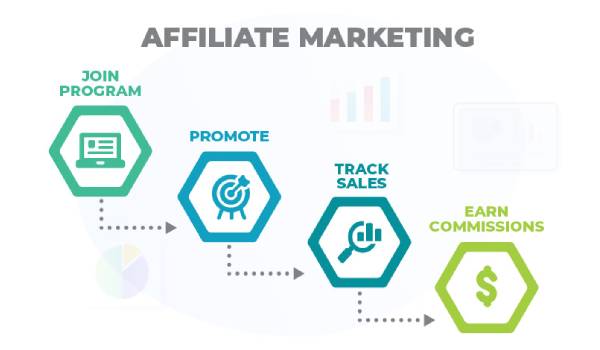
Affiliate marketing has become one of the most powerful ways to grow a business without huge upfront costs. By partnering with individuals or companies who promote your products, you can tap into new audiences, boost sales, and build brand credibility, and all on a performance-based model. However, running a successful affiliate marketing program takes more than simply finding partners and hoping for results. It requires strategic planning, clear communication, and ongoing optimization to ensure that your affiliates are motivated and your campaigns stay profitable. In this guide, we’ll explore the key steps and best practices for building and managing an affiliate marketing program that drives real, measurable success.
Choosing the Right Affiliate Platform or Software
Selecting the right affiliate platform or software is a critical step in building a successful program. The right tool should simplify tracking, reporting, and managing your affiliates while offering a smooth experience for both you and your partners. Look for platforms that provide real-time analytics, customizable commission structures, and automated payouts to streamline operations. User-friendliness is also key, your affiliates should be able to access links, creatives, and performance reports without confusion. Also, consider integration capabilities with your existing e-commerce or CRM systems to avoid technical headaches. Popular options include ShareASale, PartnerStack, and Refersion, but the best choice depends on your business size, budget, and goals. Taking the time to compare features, reviews, and support options will help ensure your affiliate program runs smoothly and scales effectively as your business grows.
Recruiting High-Quality Affiliates for Your Program
Finding the right affiliates is essential to the success of your program. High-quality affiliates bring not only traffic but also credibility and targeted audiences that convert. Start by identifying influencers, bloggers, and content creators who align with your brand values and target market. Reach out with personalized messages that highlight the benefits of partnering with you, such as competitive commissions, exclusive offers, or early access to new products. Try out affiliate directories, social media platforms, and industry forums to discover potential partners. Offering marketing materials and strong support can also make your program more appealing. Remember, it’s not just about quantity, prioritize affiliates who genuinely understand your products and can create authentic, persuasive content. By building a network of motivated, relevant partners, you set the foundation for a program that drives consistent, high-quality sales.
Tracking Performance and Measuring Success
Accurate tracking and measurement are the backbone of a successful affiliate marketing program. Without clear data, you can’t identify which affiliates drive the most conversions or which campaigns deliver the highest ROI. Use affiliate platforms or analytics tools that provide real-time reporting on clicks, sales, and commissions. Set key performance indicators (KPIs) such as conversion rate, average order value, or customer lifetime value to estimate success. Regularly review these metrics to spot top-performing affiliates, underperforming campaigns, and opportunities for improvement. Share performance insights with your affiliates to help them optimize their strategies as well. Transparent tracking not only ensures fair payouts but also strengthens trust with your partners. By continuously analyzing results and adjusting your approach, you’ll be able to scale your affiliate program effectively and maximize long-term profitability.
Conclusion
Running a successful affiliate marketing program takes planning, the right tools, and strong relationships. By choosing the right platform, recruiting quality affiliates, and tracking performance effectively, you can create a program that scales profitably. Focus on transparency, support, and optimization to ensure long-term growth and mutual success.
The internet has transformed from a static information hub into a dynamic ecosystem that powers global business, communication, entertainment, and innovation. Over the last three decades, the web has undergone multiple phases of evolution—from simple HTML pages in the 1990s to today’s immersive, AI-driven digital experiences. As we enter 2025, the web is more than just a tool; it is the foundation of the modern economy, the workplace, and social interaction.
This article explores the latest trends in web technology, how they are reshaping industries, and what the future may hold for businesses, developers, and everyday users.
From Web 1.0 to Web 3.0: The Evolution of the Internet
The internet’s journey can be divided into distinct phases:
Web 1.0 (1990s–early 2000s): Static, read-only websites dominated. Information was accessible but not interactive.
Web 2.0 (mid-2000s–present): Interactivity, user-generated content, and social media reshaped the web. Platforms like Facebook, YouTube, and Twitter turned users into content creators.
Web 3.0 (emerging): Decentralization, blockchain, artificial intelligence, and immersive experiences (AR/VR) define this phase. Users seek greater ownership of data, personalized experiences, and transparency.
This ongoing shift to Web 3.0 represents a democratization of the web—users not only consume and create content but also control their digital assets and identities.
Artificial Intelligence: Powering the Next Generation of Web Experiences
AI is at the heart of the modern web. From personalized shopping recommendations to advanced chatbots, AI-driven tools are redefining how we interact with online platforms.
Search Engines: AI enhances search results by understanding context, intent, and natural language. Instead of keyword matches, search engines now deliver conversational and context-aware responses.
Content Creation: Tools powered by machine learning generate blog posts, marketing copy, images, and even code. This boosts productivity while raising new debates about originality and ethics.
Customer Experience: AI-driven chatbots and virtual assistants provide 24/7 support, making businesses more responsive.
Cybersecurity: AI systems detect unusual behavior and prevent cyberattacks in real time.
As AI integrates deeper into web technologies, it promises hyper-personalized experiences. However, it also sparks concerns over data privacy, misinformation, and overreliance on automation.
The Rise of Decentralization and Blockchain
Web 3.0 emphasizes decentralization, giving users more control over their data and digital assets. Blockchain technology, originally popularized by cryptocurrencies, is now applied in multiple web-related fields:
Decentralized Finance (DeFi): Eliminates traditional banks and enables peer-to-peer transactions through blockchain protocols.
Non-Fungible Tokens (NFTs): Unique digital assets that allow creators to monetize art, music, and other content.
Smart Contracts: Self-executing contracts that automate transactions without intermediaries.
Decentralized Identity (DID): Allows users to control their digital identity securely without relying on centralized platforms.
Although blockchain adoption faces challenges such as scalability and regulation, it has opened the door to a more secure and transparent internet economy.
The Role of Cloud Computing in Web Expansion
Cloud computing has revolutionized how web applications are built and delivered. Instead of maintaining costly infrastructure, businesses can scale globally through cloud services.
Software-as-a-Service (SaaS): Platforms like Zoom, Slack, and Shopify have democratized access to powerful tools.
Infrastructure-as-a-Service (IaaS): Providers like AWS, Google Cloud, and Microsoft Azure allow startups and enterprises alike to deploy services rapidly.
Edge Computing: A step beyond cloud computing, edge computing processes data closer to users, reducing latency for applications like autonomous vehicles, IoT, and streaming.
Cloud and edge computing together ensure the web remains fast, scalable, and accessible worldwide.
Web Design and User Experience (UX): From Functionality to Immersion
Modern web design is no longer about simple navigation; it’s about creating meaningful, immersive experiences.
Responsive Design: Ensures websites adapt seamlessly across desktops, tablets, and smartphones.
Dark Mode & Accessibility: Features that prioritize user comfort and inclusivity.
Immersive Web (AR/VR): E-commerce, education, and gaming now integrate virtual and augmented reality to provide lifelike experiences online.
The future of UX will focus on personalization, accessibility, and emotion-driven design—where websites respond not just to clicks but also to human intent and behavior.
Cybersecurity: The Dark Side of the Web’s Growth
As web technologies advance, so do the threats. Cyberattacks, phishing, ransomware, and data breaches cost businesses billions each year. In 2025, cybersecurity is one of the fastest-growing industries, with businesses prioritizing digital protection.
Trends in web security include:
Zero-Trust Models: “Never trust, always verify” frameworks for safer user access.
Multi-Factor Authentication (MFA): Adding layers of security beyond passwords.
AI-Driven Security: Detects and responds to threats in real time.
Quantum-Safe Encryption: Preparing for the future risks posed by quantum computing.
For businesses and individuals alike, online safety is as critical as speed or design.
The E-Commerce Revolution
The web is the backbone of global commerce. E-commerce continues to expand rapidly, fueled by mobile technology, logistics innovation, and digital payment solutions.
Personalized Shopping: AI analyzes user behavior to deliver tailored recommendations.
Social Commerce: Platforms like Instagram, TikTok, and Facebook integrate shopping directly into social media experiences.
Global Payment Systems: Digital wallets, cryptocurrencies, and buy-now-pay-later services have made payments frictionless.
Sustainable Shopping: Consumers demand transparency about product origins and eco-friendly packaging.
For businesses, the challenge lies in balancing personalization with privacy, as consumers grow wary of over-tracking.
The Future of the Web: What Lies Ahead
Looking forward, several technologies and trends are expected to shape the next era of the internet:
5G and Beyond: Faster, more reliable internet will support immersive applications and Internet of Things (IoT) devices.
Metaverse Development: Virtual environments where users work, shop, and socialize may become mainstream.
Quantum Computing: Could revolutionize problem-solving in web development, AI, and cybersecurity.
Greater Regulation: Governments will impose stricter rules on data privacy, AI usage, and digital monopolies.
The web of the future will be more intelligent, immersive, and decentralized—but also more regulated and competitive.
Final Thoughts
The web is not just a technological platform; it is the backbone of modern life. From communication and commerce to education and entertainment, its influence is universal. As AI, blockchain, and immersive technologies mature, the web will continue to evolve into a more personalized, decentralized, and interactive ecosystem.
For businesses, developers, and everyday users, the challenge lies in adapting to rapid change while safeguarding privacy, security, and accessibility. For innovators, the opportunities are limitless—the web remains the most powerful frontier for creativity and growth.
The internet has always been a rapidly evolving space, but the pace of change in the 2020s is unprecedented. What began as a network for academic sharing has grown into the foundation of the global economy, communication, and entertainment. Today, the web is entering a new era defined by artificial intelligence (AI), decentralization, immersive technologies, and stronger demands for security and privacy.
In this article, we will explore the major tech and web trends shaping 2025 and beyond—from Web3 and AI integration to cybersecurity, cloud computing, and user experience innovation.
Web3 and the Decentralized Internet
One of the most talked-about developments in the tech world is the rise of Web3. Unlike the centralized model of Web2—where large corporations like Google, Amazon, and Meta control vast portions of online data—Web3 envisions a decentralized web built on blockchain technology.
Ownership of Data: In Web3, users can own their digital identities and assets without relying on intermediaries. This could fundamentally shift power away from tech giants and toward individuals.
Decentralized Applications (dApps): These apps run on blockchain networks rather than centralized servers, reducing single points of failure and increasing transparency.
Digital Assets & NFTs: While hype around NFTs has cooled, the underlying technology continues to influence industries like gaming, art, and digital rights management.
Web3 is still in its early stages, but it represents a profound change in how the internet might operate. Businesses are experimenting with blockchain-powered solutions in finance, supply chains, and content creation.
Artificial Intelligence as a Core Web Technology
Artificial intelligence is no longer just powering chatbots or recommendation engines—it is now a core layer of the internet. AI is influencing nearly every aspect of the web:
Search Engines: AI-powered search tools are becoming more conversational and context-aware, moving beyond keyword matching to deliver personalized results.
Content Creation: Tools powered by natural language processing can generate articles, marketing copy, and even code, making web development faster and more accessible.
User Experience: AI analyzes behavior patterns to provide adaptive websites that respond to individual user needs.
Cybersecurity: Machine learning models are being deployed to detect threats in real time, protecting sensitive data from increasingly sophisticated attacks.
As AI becomes more integrated into web platforms, questions around ethics, data usage, and transparency are also growing. Regulatory frameworks will play a key role in determining how AI reshapes the online ecosystem.
The Rise of Immersive Web Experiences
The line between the physical and digital world is blurring thanks to augmented reality (AR), virtual reality (VR), and mixed reality (MR). Together, these technologies are creating what many call the immersive web.
E-commerce: AR is allowing customers to “try on” clothes, preview furniture in their living rooms, or test car configurations before purchase.
Education & Training: Virtual classrooms and simulations are making learning more engaging and accessible.
Entertainment & Social Media: The metaverse—while still evolving—shows how VR and AR can reshape social interaction and gaming.
These immersive technologies depend heavily on high-speed internet, cloud computing, and powerful hardware, but they signal a major shift in how we will interact with online platforms.
Cybersecurity: The Rising Priority of the Web
With digital transformation accelerating, cybersecurity has become one of the most pressing concerns for businesses, governments, and individuals alike. Data breaches, ransomware attacks, and phishing schemes are making headlines almost daily.
Key trends in web security include:
Zero-Trust Architecture: Businesses are adopting “never trust, always verify” security models to protect data across remote work environments.
Encryption & Privacy Tools: Demand for stronger data protection is leading to widespread adoption of advanced encryption methods and privacy-focused web browsers.
AI-Driven Security: As threats become more complex, machine learning is being used to predict and prevent attacks in real time.
Regulation & Compliance: Governments are enforcing stricter data protection laws, such as the EU’s GDPR and similar frameworks in Asia and the U.S.
Security is no longer just a technical issue—it’s a business imperative. Companies that fail to secure user data risk reputational damage and regulatory fines.
Cloud Computing and Edge Technology
The backbone of the modern web continues to be cloud computing, which has enabled businesses of all sizes to scale quickly, cut costs, and access powerful tools. But now, edge computing is emerging as the next phase.
Cloud Services: Companies are moving entire infrastructures online, relying on providers like AWS, Microsoft Azure, and Google Cloud.
Edge Computing: By processing data closer to the source (such as IoT devices), edge computing reduces latency, improves performance, and supports real-time applications.
Hybrid Models: Many businesses are combining cloud and edge solutions to maximize flexibility and efficiency.
These technologies will be critical for supporting AI applications, immersive experiences, and the Internet of Things (IoT).
The User Experience (UX) Revolution
The web is becoming increasingly user-centric, with businesses recognizing that design and accessibility are just as important as content and functionality.
Personalization: Websites now use AI-driven insights to customize layouts, recommendations, and content based on user behavior.
Accessibility: Inclusive design ensures that people with disabilities can navigate websites easily, a growing priority as accessibility regulations expand worldwide.
Mobile-First Design: With the majority of global traffic coming from mobile devices, businesses are focusing on responsive, lightweight, and mobile-optimized sites.
Speed & Performance: Search engines now penalize slow-loading websites, making optimization a critical part of web strategy.
UX is no longer an afterthought—it is a direct driver of revenue and customer loyalty.
Evolving Digital Economy
The internet continues to power the global economy, with e-commerce, fintech, and digital services expanding rapidly.
E-Commerce Growth: Online shopping is booming, with social commerce (purchases made directly through social media platforms) growing particularly fast.
Fintech Innovation: Digital wallets, blockchain-based banking, and decentralized finance (DeFi) are reshaping how consumers and businesses manage money.
Gig Economy Platforms: Freelancing, remote work, and digital marketplaces are redefining traditional employment.
The digital economy is creating opportunities for startups and small businesses to compete on a global scale.
Challenges Facing the Tech/Web Space
Despite rapid progress, several challenges threaten the future of the web:
Regulation and Policy: Governments are struggling to balance innovation with oversight, particularly regarding AI, privacy, and blockchain.
Digital Divide: Billions of people worldwide still lack reliable internet access, raising concerns about inequality in the digital era.
Ethical Questions: From AI bias to the environmental impact of data centers, ethical issues must be addressed for the web to evolve responsibly.
These challenges highlight the importance of collaboration between governments, businesses, and civil society to ensure the web benefits everyone.
Looking Ahead: The Next Decade of the Web
The future of the web will be shaped by convergence—where AI, blockchain, immersive technologies, and cloud solutions work together to create smarter, faster, and more user-centric digital experiences. Businesses will compete not only on products and services but also on trust, transparency, and responsibility.
The web of tomorrow promises incredible opportunities, but it also demands vigilance. Organizations that adapt to technological trends while maintaining strong values around security, ethics, and accessibility will be best positioned to thrive.
Conclusion
The tech and web industries are at a critical turning point. Web3, artificial intelligence, immersive experiences, cybersecurity, and cloud-edge integration are reshaping the internet into something far more powerful and interactive than ever before. At the same time, challenges like regulation, inequality, and ethical dilemmas must be addressed.
For businesses, developers, and users alike, the coming years will bring both disruption and opportunity. The future of the web is not just about technology—it’s about building a digital world that is secure, inclusive, and sustainable for all.
In the ever-evolving landscape of technology, the web remains the central hub of innovation and connectivity. From the earliest HTML pages of the 1990s to today’s AI-driven, interactive, and decentralized digital ecosystems, the web has undergone a radical transformation. As we step deeper into the 2020s, several technological trends are reshaping how users interact, businesses operate, and developers build. The convergence of artificial intelligence, Web3, cloud computing, and immersive experiences like the metaverse is not just redefining the web—it’s reinventing it entirely.
1. The Rise of AI-Powered Web Experiences
Artificial intelligence (AI) has become the backbone of modern web technologies. From personalized content recommendations on streaming platforms to conversational interfaces on websites, AI is shaping user experiences like never before.
One of the most significant advancements has been the integration ofAI chatbots and virtual assistants into websites and web applications. These tools allow businesses to offer 24/7 support, automate responses, and even personalize the shopping experience. With large language models (LLMs) like GPT-5 now capable of understanding context and nuance, the web is becoming more intuitive and responsive to user intent.
AI is also enhancing web design and development. Tools such as Figma’s AI assistants and GitHub Copilot automate design generation and code completion, drastically reducing development time. Moreover, AI-driven analytics platforms enable marketers to optimize user engagement through predictive modeling, making websites smarter and more efficient.
In the coming years, we can expect AI to push beyond personalization into autonomous web applications, capable of adapting content and layout dynamically based on user mood, behavior, and even biometric feedback.
2. Web3 and the Decentralized Internet
Another major shift is the emergence of Web3, a decentralized iteration of the internet powered by blockchain technology. Unlike Web2, where platforms like Google and Facebook dominate data ownership, Web3 aims to return control to the users themselves.
Through decentralized applications (dApps), smart contracts, and token-based economies, Web3 fosters transparency, security, and community-driven ecosystems. Users can now own digital assets, manage identity through self-sovereign wallets, and participate in governance models that reward engagement rather than data exploitation.
The growth of decentralized finance (DeFi) and non-fungible tokens (NFTs) demonstrates how Web3 can revolutionize digital ownership. For creators, this means the ability to monetize directly through blockchain, bypassing traditional intermediaries. For consumers, it means enhanced control over personal data and online identity.
However, challenges remain. Web3 faces scalability issues, energy concerns, and a steep learning curve for mainstream adoption. Yet, as infrastructure improves and user experience becomes more seamless, decentralized web applications may well become the new norm within the next decade.
3. The Cloud-First Web: Scalability and Global Accessibility
The web’s evolution is inseparable from the rise of cloud computing. Once a tool for data storage, the cloud has evolved into a foundation for everything from web hosting to machine learning.
Modern websites and applications are now built on serverless architectures—where developers deploy code without managing physical servers—enabling faster scaling and lower costs. Companies like Amazon Web Services (AWS), Microsoft Azure, and Google Cloud have made it easier than ever to build global platforms with minimal infrastructure investment.
Moreover, edge computing, a natural extension of the cloud, is improving web performance by processing data closer to the user’s location. This leads to faster loading times, reduced latency, and a smoother overall experience—particularly crucial for streaming, gaming, and real-time applications.
The cloud’s impact extends beyond performance; it’s also reshaping cybersecurity. Advanced cloud-based security frameworks leverage AI to detect and mitigate threats in real time, ensuring safer transactions and communications across the web.
4. The Immersive Web: AR, VR, and the Metaverse
As the lines between the physical and digital worlds blur, immersive technologies are creating entirely new web experiences. Augmented reality (AR) and virtual reality (VR) are no longer confined to gaming—they’re being integrated into e-commerce, education, and remote work.
Imagine browsing a furniture website where you can visualize how a couch looks in your living room using AR, or attending a business meeting in a 3D virtual workspace. These experiences, powered by WebXR and advanced rendering engines, are transforming static web pages into interactive environments.
The metaverse, though still in its infancy, represents the next phase of this evolution. It’s envisioned as a network of interconnected virtual spaces where users can work, shop, and socialize. Companies like Meta, Apple, and Nvidia are heavily investing in this vision, developing tools that will merge AI, spatial computing, and blockchain into a unified web experience.
As hardware like AR glasses and VR headsets become more affordable and lightweight, the immersive web could redefine how we perceive online interaction.
5. The Ethical and Sustainable Future of the Web
With great technological power comes great responsibility. As the web grows more advanced, ethical and environmental concerns become increasingly critical.
AI algorithms, while powerful, raise issues around bias, data privacy, and misinformation. Decentralized systems must address the environmental impact of blockchain mining, while cloud infrastructure providers face scrutiny over energy consumption.
Fortunately, the industry is moving toward solutions such as green data centers, carbon-neutral hosting, and ethical AI frameworks. Developers and companies are also adopting privacy-by-design principles, ensuring user consent and transparency are prioritized from the start.
Sustainability is not just an environmental imperative but a competitive advantage. Consumers are becoming more conscious of digital ethics, and businesses that prioritize responsible innovation will likely gain trust and longevity in the next era of the web.
6. What Lies Ahead
The web of the future will not be defined by any single technology but by the interconnection of many—AI, blockchain, AR/VR, and the cloud working together in harmony. This convergence will create a seamless, intelligent, and decentralized web ecosystem.
We are heading toward an era where the web is not just a platform but a living, adaptive network, capable of understanding, predicting, and even co-creating with its users.
The next generation of developers, entrepreneurs, and creators will build not just websites but digital worlds, powered by automation, secured by cryptography, and sustained by community governance.
As the web continues to evolve, one truth remains clear: innovation thrives on connection. The future of the web isn’t about replacing what came before—it’s about enhancing our collective digital experience in ways that are more intelligent, immersive, and inclusive than ever before.
The year 2025 marks a pivotal moment in the evolution of technology and the web. Once tools for connection and information, they have now become the very fabric of modern society — shaping economies, influencing culture, and transforming industries at every level. From the rise of artificial intelligence and blockchain to the expansion of Web3 and immersive digital experiences, the tech and web landscape is rewriting the rules of innovation and interaction.
This article explores the latest trends, breakthroughs, and challenges defining the digital world in 2025 — and how businesses, creators, and everyday users are adapting to this fast-changing environment.
1. Web Evolution: From Web2 to Web3 and Beyond
The web as we know it has undergone massive transformation over the past decade. Web2, defined by social media, cloud computing, and centralized platforms, gave rise to global giants like Facebook, YouTube, and Amazon. However, by 2025, we are firmly entering the Web3 era — a decentralized internet built on blockchain technology, smart contracts, and user ownership.
In Web3, control shifts from corporations to individuals. Users can own digital assets, trade tokens, and even participate in platform governance through decentralized autonomous organizations (DAOs). This democratization of the web is fostering new business models in areas like digital identity, finance, and content creation.
Major tech companies are now investing in hybrid Web2-Web3 ecosystems. Meta, for instance, has incorporated blockchain-based tools into its platforms, while startups like Lens Protocol and Arweave are pioneering decentralized social networks where users truly control their data.
Despite its promise, Web3 faces challenges such as scalability, user education, and regulatory uncertainty. But one thing is clear — the decentralized web is no longer a distant dream; it’s becoming a functional part of the global digital economy.
2. Artificial Intelligence: Powering the Intelligent Web
AI is no longer a futuristic concept — it’s the backbone of the digital revolution. From generative AI tools that create text, images, and code, to predictive algorithms shaping online experiences, artificial intelligence defines how we interact with the web in 2025.
Platforms like ChatGPT, Gemini, and Claude are transforming search, learning, and creative industries. Businesses are using AI for customer engagement, data analytics, and automation, while developers are integrating AI APIs into websites and apps to deliver smarter user experiences.
One of the most significant developments is the rise of AI-driven personalization. Websites and digital services are now capable of adapting in real time to a user’s behavior, interests, and even emotional state. This leads to hyper-personalized experiences — but also raises ethical questions about privacy, consent, and manipulation.
As AI becomes more embedded in online systems, the next frontier is AI governance — ensuring transparency, fairness, and accountability in algorithmic decision-making. Nations are racing to regulate AI while fostering innovation, setting the stage for a delicate balance between progress and protection.
3. The Internet of Everything: A Connected World
The web has expanded beyond screens into the physical world. The Internet of Things (IoT) has evolved into the Internet of Everything (IoE) — connecting devices, systems, and people in a seamless digital ecosystem.
Smart homes, wearable devices, autonomous vehicles, and industrial sensors now communicate through ultra-fast 5G and emerging 6G networks. This connectivity enables data-driven decisions at an unprecedented scale, powering industries from healthcare and agriculture to logistics and urban development.
For example, smart cities are using real-time data to manage energy, waste, and transportation systems more efficiently. In manufacturing, IoT-enabled factories — often referred to as “Industry 4.0” — are optimizing production through predictive maintenance and machine learning.
However, this hyper-connectivity comes with growing cybersecurity risks. The more connected we become, the more vulnerable systems are to hacking and data breaches. Cyber resilience, therefore, has become one of the top priorities for governments and corporations in 2025.
4. Cloud Computing and Edge Technologies: The New Infrastructure
Cloud computing remains the digital backbone of modern technology, but 2025 has seen the rapid rise of edge computing — bringing data processing closer to the source rather than relying solely on centralized data centers.
This shift improves latency, efficiency, and privacy, making it essential for real-time applications such as autonomous vehicles, AR/VR, and healthcare monitoring. Tech giants like Amazon Web Services (AWS), Google Cloud, and Microsoft Azure are integrating edge solutions into their platforms to meet growing demand.
Meanwhile, quantum computing is inching closer to practical reality. Though still in its infancy, quantum systems promise to revolutionize computing power, enabling breakthroughs in cryptography, material science, and artificial intelligence. By 2025, hybrid systems that combine classical and quantum computing are beginning to emerge in research and enterprise settings.
5. The Metaverse: Redefining Digital Interaction
The concept of the metaverse — a persistent, shared digital universe — has evolved from a buzzword to a multibillion-dollar industry. In 2025, virtual and augmented reality technologies are enabling immersive web experiences across entertainment, education, commerce, and work.
Companies are building 3D digital environments where users can attend meetings, concerts, or even shop for virtual goods using digital currencies. Apple’s Vision Pro and Meta’s Quest 4 have redefined how we engage with virtual spaces, while platforms like Roblox and Fortnite continue to push the boundaries of user-generated virtual worlds.
Yet, the metaverse faces questions of accessibility, inclusivity, and safety. As virtual economies grow, ensuring fair digital property rights and preventing online exploitation remain major challenges for regulators and developers alike.
6. Cybersecurity and Digital Privacy in a Post-Trust Era
As our digital footprint expands, so does the threat landscape. Cybersecurity in 2025 is no longer a technical issue—it’s a societal one. Data breaches, ransomware attacks, and AI-powered phishing schemes are increasing in frequency and sophistication.
Organizations are turning to zero-trust architectures, biometric authentication, and AI-driven threat detection to safeguard systems. Governments are also enacting stricter privacy regulations to give users more control over their data. The European Union’s Digital Services Act (DSA) and new global privacy frameworks are shaping how tech companies collect, store, and use information.
For individuals, digital literacy and security awareness have become as essential as basic computer skills once were. The web of the future demands not just innovation, but responsibility.
7. The Future of Work in a Digital World
Technology continues to reshape the workplace. Remote work, supported by cloud platforms, virtual offices, and collaboration tools, remains the norm for many industries. Artificial intelligence is augmenting human creativity — automating repetitive tasks and freeing professionals to focus on strategy and innovation.
Freelancing and the digital gig economy are thriving on platforms powered by smart contracts and decentralized payments, allowing global workers to earn securely without intermediaries.
Meanwhile, continuous learning has become vital. With technology evolving so rapidly, professionals must regularly upskill to remain competitive. Companies are investing heavily in employee training, recognizing that digital adaptability is now a key component of long-term success.
8. The Green Web: Sustainability Meets Technology
Sustainability is now a central pillar of technological innovation. Data centers are transitioning to renewable energy, tech companies are optimizing hardware for energy efficiency, and the concept of a “green web” — a sustainable digital ecosystem — is gaining traction.
Blockchain projects are moving toward proof-of-stake mechanisms to reduce carbon footprints, while cloud providers are offering carbon-neutral hosting solutions. As users become more eco-conscious, digital companies are being held accountable for their environmental impact.
This movement aligns with a broader societal shift toward ethical technology — where innovation must serve not only progress but also the planet.
Conclusion: The Web of Tomorrow Is Intelligent, Immersive, and Inclusive
The tech and web landscape of 2025 is a fusion of intelligence, interconnectivity, and innovation. Artificial intelligence powers decision-making, Web3 decentralizes control, and immersive technologies are transforming how we live and work.
Yet, the greatest challenge — and opportunity — lies in ensuring that this digital revolution remains human-centered. Technology should empower people, protect privacy, and promote sustainability, not widen divides.
As we stand on the threshold of an era defined by data, AI, and decentralization, the future of the web will depend not just on the code that builds it, but on the values that guide it. The digital world of tomorrow must be one that serves everyone — intelligent, ethical, and accessible to all.
The health and wellness industry is booming, with people increasingly turning to digital platforms for guidance, products, and services that help them lead healthier lives. This surge in demand presents incredible opportunities—but also fierce competition—for businesses in the space. How do you ensure your message stands out and connects with the right audience?
Digital marketing has become essential for health and wellness brands to not only build trust but also effectively reach their target market. From social media campaigns to email outreach and search engine optimization, the right strategies can amplify your impact and drive meaningful results.
In this blog, we’ll explore proven digital marketing strategies that can elevate your health and wellness business. Whether you’re a small practice, an e-commerce brand, or a wellness coach, these insights will help you attract, engage, and retain customers in today’s fast-paced online world.
Understanding the Importance of Digital Marketing in Health and Wellness
Digital marketing is no longer optional for health and wellness businesses; it’s essential. Consumers increasingly rely on online channels to discover products, book services, and gather trusted health information. This shift underscores the need for brands to meet audiences where they are—on websites, social media, and search engines.
With fierce competition in the wellness market, a strong digital presence helps businesses stand out and build credibility. Effective campaigns not only attract new customers but also foster trust by providing value-driven content, engaging communication, and transparent practices.
Digital marketing also enables brands to target specific audiences, ensuring their efforts resonate with the right consumers at the right time. Whether you’re promoting fitness programs, wellness coaching, or innovative products like peptides, leveraging digital tools can amplify your reach and strengthen customer relationships. Staying visible and relevant online is vital to thriving in this rapidly evolving industry.
Building a Strong Online Presence for Your Health Brand
A strong online presence is crucial for health brands aiming to connect with their audience and foster trust. Whether you’re offering innovative products like aod 9604 for sale or health services, a multi-faceted digital strategy can set your brand apart.
Start with a professional, user-friendly website that highlights your offerings, showcases testimonials, and educates visitors about your brand. Ensure the site is optimized for search engines so potential customers can find you easily when searching for terms like “wellness solutions” or “medications for sale.”
Social media platforms are another powerful tool for establishing credibility and building a community. Consistently share valuable content, engage with your audience, and collaborate with influencers who align with your values.
By investing in these strategies, your health brand can attract more customers, enhance its reputation, and maintain a lasting competitive edge in the wellness industry.
Leveraging Social Media to Connect with Your Audience
Social media is a powerful tool for health and wellness brands to foster connections and build trust with their audience. By sharing educational and inspiring content, you can position your brand as a trusted resource for health-focused information.
Consistently post value-driven content, such as healthy tips, workout routines, or product benefits, that directly resonates with your followers. Eye-catching visuals like images, infographics, and videos can help capture attention while reinforcing key messages.
Engaging with your audience is just as important as posting. Reply to comments, answer questions, and participate in conversations to create a sense of community and authenticity. You can also leverage interactive features like polls or Q&A sessions to build deeper engagement.
With the right approach, social media can strengthen your brand’s relationships with customers while increasing visibility and credibility in the health and wellness space.
The Power of Content Marketing in Promoting Health Services
Content marketing is a vital tool for promoting health services, enabling businesses to inform, engage, and connect with their audience. By sharing valuable, educational content, you can position your brand as a trusted authority in the wellness industry.
Blogging is a great way to address common health questions, share tips, or highlight services your business offers. Compelling video content, such as tutorials or patient success stories, not only grabs attention but also builds an emotional connection. Additionally, email newsletters keep your audience informed with personalized updates and exclusive insights, fostering loyalty over time.
Content marketing also creates opportunities for audience engagement. Encourage feedback, share interactive posts, or host live Q&A sessions to address concerns directly. By consistently delivering high-quality content, health and wellness businesses can strengthen trust with their audience, boost visibility, and drive long-term success.
Exploring E-Commerce Opportunities for Wellness Products
The demand for wellness products online is soaring, providing a golden opportunity for businesses to tap into e-commerce platforms. A well-optimized online store is the foundation of success, ensuring seamless navigation, clear product descriptions, and customer-friendly features like reviews and secure payments.
Offering subscription models can further boost long-term engagement, creating a steady stream of revenue while fostering customer loyalty. Pair this with targeted digital advertising campaigns to expand your reach and attract the right audience. Platforms like Google Ads and social media ads enable precision targeting to connect directly with wellness-conscious customers.
Additionally, consider bundling products or offering exclusive online deals as incentives to drive purchases. With the right strategies, businesses can not only expand their market reach but also create meaningful connections with customers in a competitive and fast-growing e-commerce landscape.
Analytics and Metrics to Measure Your Digital Marketing Success
Tracking key metrics like website traffic, conversion rates, and social media engagement is essential for understanding what’s working in your digital marketing strategy. These analytics provide a clear picture of your efforts, helping you identify successes and areas for improvement.
By leveraging data-driven insights, businesses can make informed decisions, optimize campaigns, and align their strategies with audience needs. Regularly reviewing performance not only refines your approach but also ensures you’re achieving measurable results.
Success in digital marketing is an ongoing process, and metrics serve as your guide to staying competitive and goal-focused. Start analyzing your data today to unlock growth opportunities and build a stronger, more impactful online presence. If you’re ready to take the next step, consider integrating advanced tools or consulting a digital marketing expert for deeper insights.
Artificial Intelligence (AI) is no longer a concept reserved for science fiction; it has become a driving force reshaping how industries operate. From automating routine tasks to improving decision-making with data-driven insights, AI is revolutionizing the modern world. Whether you’re in tech, finance, or even wellness, AI’s influence is undeniable—especially in fields like digital marketing in health and wellness, where data and personalization play a crucial role.This blog explores how AI is transforming industries, unlocking unprecedented opportunities, and redefining the future of work.
AI in Healthcare: Revolutionizing Patient Care and Diagnosis
Artificial intelligence is transforming healthcare by enhancing how patients are diagnosed and treated. AI-powered diagnostic tools, such as imaging analysis systems, can identify conditions like cancer or heart disease with remarkable precision, often faster than traditional methods. This not only improves outcomes but also reduces diagnostic errors.
Personalized treatment plans are another significant breakthrough. By analyzing various datasets, AI can recommend therapies made to an individual’s genetic makeup, medical history, and lifestyle. This level of customization was once impossible to achieve, but it’s now becoming a standard in patient care.
AI is also driving advancements in predictive analytics, helping healthcare providers predict potential health risks. For example, algorithms can predict the likelihood of complications in high-risk patients, allowing doctors to intervene early and possibly prevent severe outcomes.
Beyond individual care, AI accelerates medical research by analyzing complex clinical data and identifying patterns that lead to new discoveries. From streamlining diagnostics to enabling predictive medicine, AI is revolutionizing healthcare and promising a future where treatment is more precise, proactive, and effective.
The Role of AI in Financial Services and Fraud Detection
Artificial intelligence is revolutionizing the financial sector by improving efficiency, strengthening security, and enhancing customer experiences. One major shift is seen in fraud detection. AI algorithms can analyze vast amounts of transaction data in real time, identifying suspicious patterns and flagging potential fraud before it happens. This capability drastically reduces financial losses and enhances trust.
AI also plays a central role in risk assessment. Using predictive analytics, it evaluates creditworthiness or investment risks with greater accuracy. Banks and financial institutions rely on these tools to make informed lending and investment decisions, reducing uncertainty and improving profitability.
Personalized financial advice is another area where AI shines. Chatbots and virtual assistants powered by AI can offer tailored recommendations based on an individual’s spending habits, financial goals, and market trends, making financial planning more accessible and user-friendly.
By streamlining processes like loan approvals, fraud monitoring, and customer service, AI not only optimizes operations but also ensures a more secure and personalized experience for both institutions and their clients. The future of finance is undoubtedly AI-driven.
Future Trends in Artificial Intelligence and What They Mean for Businesses
The evolution of artificial intelligence is driving new trends set to reshape industries. Generative AI is one of the most exciting developments, enabling businesses to create content, design products, or simulate complex models with unmatched speed. This can be a game-changer for creative industries, marketing, and product development.
Autonomous systems are another key trend. From self-driving vehicles to automated warehouses, these systems promise to boost efficiency and reduce operational costs across sectors like logistics, manufacturing, and delivery services. Companies adopting these technologies stand to gain a competitive edge by streamlining their operations.
AI ethics is also taking center stage. With increased reliance on AI, ensuring fairness, transparency, and accountability becomes critical. Businesses must prioritize ethical practices to build trust and remain compliant with evolving regulations.
These advancements signal a future where businesses can operate smarter, innovate faster, and address complex challenges more effectively. Staying ahead of these trends will be crucial for organizations aiming to thrive in the AI-driven economy.
Conclusion
Artificial Intelligence is changing industries, driving innovation, and redefining efficiency. From healthcare to finance, its transformative impact is undeniable. Businesses must adapt to AI advancements to remain competitive and unlock new opportunities. For those looking to stay ahead in the evolving landscape, exploring other marketing strategies and insights can provide the tools needed to thrive in a digital-first world. By harnessing AI’s potential responsibly, we can foster progress and create a future that’s smarter, more efficient, and inclusive.