In today’s digital landscape, free tools can significantly enhance both SEO performance and user engagement. From keyword research and content optimization to analytics and website performance tracking, these resources help website owners understand their audience, improve visibility, and create more engaging experiences. By leveraging free tools, businesses and creators can optimize their content, identify growth opportunities, and make data-driven decisions without a large budget. Incorporating these tools into your strategy allows for smarter marketing, better search rankings, and a more interactive, user-friendly website.
Top Free Keyword Research Tools for SEO
Keyword research is a fundamental step in improving SEO, and several free tools make it accessible for businesses and creators. Platforms like Google Keyword Planner, Ubersuggest, and AnswerThePublic allow users to discover high-value keywords, understand search intent, and identify long-tail opportunities.
Interactive tools are powerful for increasing time on site and improving rankings.A good example is a free peptide calculator tool for researchers, which provides real value while naturally earning backlinks.
Content Optimization Tools to Improve Rankings
Content optimization tools help improve SEO rankings by analyzing your website’s content and providing actionable insights. Tools like Yoast SEO, SEMrush Writing Assistant, and Hemingway Editor evaluate keyword usage, readability, structure, and meta information, ensuring your content is both user-friendly and search-engine optimized. These tools guide writers in improving clarity, relevance, and engagement while maintaining proper SEO practices. By regularly using content optimization tools, you can enhance the quality of your pages, increase organic traffic, and boost user satisfaction. Optimized content not only ranks higher in search results but also keeps visitors engaged and returning for more.
Analytics Platforms for Tracking User Behavior
Analytics platforms are essential for understanding how users interact with your website and improving both SEO and engagement. Tools like Google Analytics, Hotjar, and Matomo provide insights into visitor behavior, including page views, session duration, click patterns, and conversion rates. By analyzing this data, website owners can identify which content resonates most, uncover areas for improvement, and make data-driven decisions to enhance the user experience. Regularly monitoring analytics helps optimize site structure, refine content strategies, and increase engagement. Understanding user behavior ensures your website meets audience needs while driving sustainable growth and improved search performance.
Website Performance and Speed Monitoring Tools
Website performance and speed are critical for both SEO and user experience, and several free tools help monitor and improve these aspects. Platforms like Google PageSpeed Insights, GTmetrix, and Pingdom analyze site loading times, identify bottlenecks, and provide actionable recommendations for optimization. Faster websites reduce bounce rates, increase engagement, and improve search engine rankings, as speed is a key ranking factor. Regularly monitoring performance ensures that your site remains efficient, responsive, and user-friendly across devices. By addressing performance issues promptly, you can enhance overall website experience while supporting better visibility and higher organic traffic.
Engagement Tools to Boost Interaction and Retention
Engagement tools are essential for keeping visitors interacting with your website and encouraging them to return. Free platforms like Sumo, Tawk.to, and Mailchimp offer features such as pop-ups, live chat, email newsletters, and social sharing buttons that help capture attention and foster communication. These tools enable personalized experiences, prompt user interaction, and build stronger relationships with your audience. By integrating engagement tools, websites can increase time on site, reduce bounce rates, and encourage repeat visits. Higher engagement not only improves user satisfaction but also positively impacts SEO and long-term growth.
Choosing the right keywords is not just about search volume, but about understanding intent and real user behavior. Keywords that actually convert are the ones aligned with what people are ready to do, not just what they are curious about. By focusing on relevance, intent, and competition, businesses can attract visitors who are more likely to take action. A smart keyword strategy helps reduce wasted traffic, improve conversion rates, and ensure every campaign supports clear and measurable goals.
Understanding Buyer Intent for High Converting Keywords
Understanding buyer intent is one of the most important factors when selecting high converting keywords. Not every search represents the same level of readiness to act. Some users are only looking for information, while others are actively comparing options or preparing to make a purchase. Keywords with strong buyer intent usually include signals such as product names, pricing terms, or action oriented phrases. For example, searches like retatrutide peptide buy clearly indicate a transactional mindset, meaning the user is already aware of the product and is closer to conversion.
By focusing on buyer intent, marketers can attract traffic that is more likely to take meaningful action, rather than large volumes of users who are only browsing. This approach helps reduce wasted ad spend, improves conversion rates, and aligns content with real user needs. High converting campaigns are built around understanding what the searcher wants to do next and matching keywords to that intent.
How to Find the Right Keywords That Actually Convert
Finding the right keywords that actually convert requires more than chasing high search volume or trending terms. The goal is to identify keywords that align with real user intent and business objectives. High converting keywords usually reflect clear needs, such as problem solving, product comparison, or purchase readiness. By analyzing search intent, marketers can determine whether a keyword attracts users who are researching, evaluating options, or prepared to take action.
Effective keyword research also involves balancing competition and relevance. Keywords with extremely high competition may drive traffic, but not necessarily results. Long tail keywords often perform better because they are more specific and attract users with a clearer purpose. When keywords are carefully mapped to the right content or landing pages, they create a smoother user journey, improve engagement, and increase the likelihood of conversions.
Choosing the Right Keywords for Better Traffic and ROI
Choosing the right keywords is essential for attracting quality traffic and maximizing return on investment. The focus should always be on relevance and intent rather than raw search volume. Keywords that closely match what users are looking for help bring visitors who are more likely to engage, convert, or make a purchase. This leads to better use of marketing budgets and more predictable results across campaigns.
A strong keyword strategy also considers competition, cost, and alignment with business goals. Targeting overly broad keywords can increase traffic but often results in low engagement and poor ROI. More specific keywords, especially those tied to clear user intent, tend to perform better over time. When keywords are properly researched, tested, and refined, they support sustainable growth, improve conversion rates, and ensure that traffic delivered to a website has real business value.
How to Build Campaigns Around Keywords That Drive Results
Building campaigns around keywords that drive results starts with understanding how those keywords connect to user intent and campaign goals. Instead of grouping many unrelated terms together, successful campaigns are structured around tightly themed keywords that reflect a clear purpose. This approach allows ads, content, and landing pages to speak directly to what the user is searching for.
Effective campaigns also require proper keyword mapping. Each keyword group should lead to a relevant message and a matching offer, creating a consistent experience from search to conversion. Testing and optimization play a major role as well. Monitoring performance data helps identify which keywords generate engagement and which ones drive real results. By refining bids, messaging, and landing pages around proven keywords, campaigns become more efficient, scalable, and focused on measurable outcomes rather than vanity metrics.
Conclusion
Choosing and using the right keywords is the foundation of any campaign that aims to convert, not just attract traffic. By focusing on intent, relevance, and strategic alignment, businesses can build campaigns that deliver measurable results. Well researched keywords help reduce wasted effort, improve ROI, and create a clearer path from search to conversion. When keyword strategy is treated as an ongoing process, long term performance and growth become far more achievable.
Emotional marketing is one of the most powerful ways to connect with your audience—and yet, many brands overlook its true potential. In a world overloaded with information, people don’t remember every product or message they see, but they do remember how something made them feel. By tapping into emotions like joy, trust, excitement, or even nostalgia, businesses can create deeper, more meaningful interactions that go far beyond surface-level content. In this guide, we’ll explore how emotional marketing works, why it drives stronger engagement, and how you can apply it effectively to strengthen your brand’s connection with customers.
Identifying the Core Emotions That Motivate Your Audience
Identifying the core emotions that motivate your audience is the foundation of effective emotional marketing. Every buying decision is influenced by feelings—whether it’s the desire for security, the need for belonging, the excitement of discovery, or the relief of solving a problem. To tap into these emotions, start by understanding your audience’s daily challenges, motivations, and aspirations. Run surveys, analyze comments, and review customer feedback to find what truly matters to them. Look for emotional patterns: Do they value reassurance? Are they driven by inspiration? Do they seek convenience or confidence? Once you identify these emotional triggers, you can tailor your messaging, visuals, and storytelling to resonate more deeply. When customers feel understood on an emotional level, they’re far more likely to engage, trust your brand, and take action.
Using Visuals and Design to Enhance Emotional Impact
Using visuals and design to increase emotional impact is a powerful strategy for capturing attention and influencing how your audience feels about your brand. Colors, imagery, typography, and layout all play a role in shaping emotional perception. Warm tones can evoke comfort and positivity, while bold, high-contrast visuals can spark excitement or urgency. Choose images that reflect real emotions and relatable moments, helping your audience instantly connect with your message.
Design consistency also matters; cohesive branding builds familiarity and trust over time. Use typography that matches the mood you want to show—soft, rounded fonts feel friendly, while sleek, minimalist styles communicate professionalism. Even spacing and layout influence emotional response, guiding the viewer’s focus and creating a smoother, more enjoyable experience. When visuals align with the emotions you want your audience to feel, your content becomes more engaging, memorable, and impactful.
The Role of Music and Sound in Emotional Branding
Music and sound play a powerful role in emotional branding because they influence how people feel within seconds, often faster than visuals or text. The right soundtrack can instantly set the tone of your message, whether you want to inspire excitement, create a sense of calm, or build anticipation. Sound triggers emotional memories, making your brand more memorable and recognizable.
Brands use audio cues, jingles, and consistent sound design to build familiarity and strengthen identity. Even subtle background music in videos or ads can improve storytelling, reinforce brand values, and shape the viewer’s emotional experience. The key is choosing sounds that align with your audience’s preferences and the feelings you want to evoke. When used intentionally, music becomes a strategic tool that deepens emotional engagement and builds a stronger, lasting connection with your audience.
Conclusion
Emotional marketing allows brands to form deeper, more meaningful connections by tapping into what truly motivates their audience. By using storytelling, visuals, and sound intentionally, you can create content that resonates on a personal level. When people feel understood, they’re more likely to trust, engage, and stay loyal to your brand.
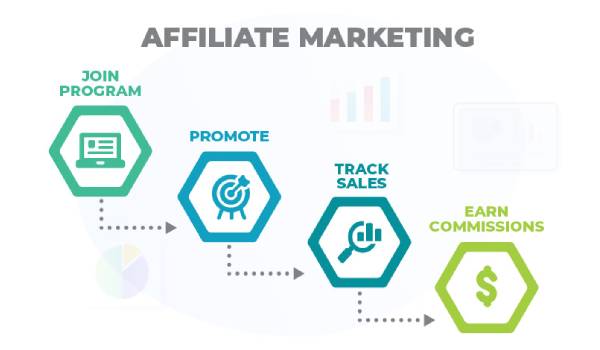
Affiliate marketing has become one of the most powerful ways to grow a business without huge upfront costs. By partnering with individuals or companies who promote your products, you can tap into new audiences, boost sales, and build brand credibility, and all on a performance-based model. However, running a successful affiliate marketing program takes more than simply finding partners and hoping for results. It requires strategic planning, clear communication, and ongoing optimization to ensure that your affiliates are motivated and your campaigns stay profitable. In this guide, we’ll explore the key steps and best practices for building and managing an affiliate marketing program that drives real, measurable success.
Choosing the Right Affiliate Platform or Software
Selecting the right affiliate platform or software is a critical step in building a successful program. The right tool should simplify tracking, reporting, and managing your affiliates while offering a smooth experience for both you and your partners. Look for platforms that provide real-time analytics, customizable commission structures, and automated payouts to streamline operations. User-friendliness is also key, your affiliates should be able to access links, creatives, and performance reports without confusion. Also, consider integration capabilities with your existing e-commerce or CRM systems to avoid technical headaches. Popular options include ShareASale, PartnerStack, and Refersion, but the best choice depends on your business size, budget, and goals. Taking the time to compare features, reviews, and support options will help ensure your affiliate program runs smoothly and scales effectively as your business grows.
Recruiting High-Quality Affiliates for Your Program
Finding the right affiliates is essential to the success of your program. High-quality affiliates bring not only traffic but also credibility and targeted audiences that convert. Start by identifying influencers, bloggers, and content creators who align with your brand values and target market. Reach out with personalized messages that highlight the benefits of partnering with you, such as competitive commissions, exclusive offers, or early access to new products. Try out affiliate directories, social media platforms, and industry forums to discover potential partners. Offering marketing materials and strong support can also make your program more appealing. Remember, it’s not just about quantity, prioritize affiliates who genuinely understand your products and can create authentic, persuasive content. By building a network of motivated, relevant partners, you set the foundation for a program that drives consistent, high-quality sales.
Tracking Performance and Measuring Success
Accurate tracking and measurement are the backbone of a successful affiliate marketing program. Without clear data, you can’t identify which affiliates drive the most conversions or which campaigns deliver the highest ROI. Use affiliate platforms or analytics tools that provide real-time reporting on clicks, sales, and commissions. Set key performance indicators (KPIs) such as conversion rate, average order value, or customer lifetime value to estimate success. Regularly review these metrics to spot top-performing affiliates, underperforming campaigns, and opportunities for improvement. Share performance insights with your affiliates to help them optimize their strategies as well. Transparent tracking not only ensures fair payouts but also strengthens trust with your partners. By continuously analyzing results and adjusting your approach, you’ll be able to scale your affiliate program effectively and maximize long-term profitability.
Conclusion
Running a successful affiliate marketing program takes planning, the right tools, and strong relationships. By choosing the right platform, recruiting quality affiliates, and tracking performance effectively, you can create a program that scales profitably. Focus on transparency, support, and optimization to ensure long-term growth and mutual success.
The health and wellness industry is booming, with people increasingly turning to digital platforms for guidance, products, and services that help them lead healthier lives. This surge in demand presents incredible opportunities—but also fierce competition—for businesses in the space. How do you ensure your message stands out and connects with the right audience?
Digital marketing has become essential for health and wellness brands to not only build trust but also effectively reach their target market. From social media campaigns to email outreach and search engine optimization, the right strategies can amplify your impact and drive meaningful results.
In this blog, we’ll explore proven digital marketing strategies that can elevate your health and wellness business. Whether you’re a small practice, an e-commerce brand, or a wellness coach, these insights will help you attract, engage, and retain customers in today’s fast-paced online world.
Understanding the Importance of Digital Marketing in Health and Wellness
Digital marketing is no longer optional for health and wellness businesses; it’s essential. Consumers increasingly rely on online channels to discover products, book services, and gather trusted health information. This shift underscores the need for brands to meet audiences where they are—on websites, social media, and search engines.
With fierce competition in the wellness market, a strong digital presence helps businesses stand out and build credibility. Effective campaigns not only attract new customers but also foster trust by providing value-driven content, engaging communication, and transparent practices.
Digital marketing also enables brands to target specific audiences, ensuring their efforts resonate with the right consumers at the right time. Whether you’re promoting fitness programs, wellness coaching, or innovative products like peptides, leveraging digital tools can amplify your reach and strengthen customer relationships. Staying visible and relevant online is vital to thriving in this rapidly evolving industry.
Building a Strong Online Presence for Your Health Brand
A strong online presence is crucial for health brands aiming to connect with their audience and foster trust. Whether you’re offering innovative products like aod 9604 for sale or health services, a multi-faceted digital strategy can set your brand apart.
Start with a professional, user-friendly website that highlights your offerings, showcases testimonials, and educates visitors about your brand. Ensure the site is optimized for search engines so potential customers can find you easily when searching for terms like “wellness solutions” or “medications for sale.”
Social media platforms are another powerful tool for establishing credibility and building a community. Consistently share valuable content, engage with your audience, and collaborate with influencers who align with your values.
By investing in these strategies, your health brand can attract more customers, enhance its reputation, and maintain a lasting competitive edge in the wellness industry.
Leveraging Social Media to Connect with Your Audience
Social media is a powerful tool for health and wellness brands to foster connections and build trust with their audience. By sharing educational and inspiring content, you can position your brand as a trusted resource for health-focused information.
Consistently post value-driven content, such as healthy tips, workout routines, or product benefits, that directly resonates with your followers. Eye-catching visuals like images, infographics, and videos can help capture attention while reinforcing key messages.
Engaging with your audience is just as important as posting. Reply to comments, answer questions, and participate in conversations to create a sense of community and authenticity. You can also leverage interactive features like polls or Q&A sessions to build deeper engagement.
With the right approach, social media can strengthen your brand’s relationships with customers while increasing visibility and credibility in the health and wellness space.
The Power of Content Marketing in Promoting Health Services
Content marketing is a vital tool for promoting health services, enabling businesses to inform, engage, and connect with their audience. By sharing valuable, educational content, you can position your brand as a trusted authority in the wellness industry.
Blogging is a great way to address common health questions, share tips, or highlight services your business offers. Compelling video content, such as tutorials or patient success stories, not only grabs attention but also builds an emotional connection. Additionally, email newsletters keep your audience informed with personalized updates and exclusive insights, fostering loyalty over time.
Content marketing also creates opportunities for audience engagement. Encourage feedback, share interactive posts, or host live Q&A sessions to address concerns directly. By consistently delivering high-quality content, health and wellness businesses can strengthen trust with their audience, boost visibility, and drive long-term success.
Exploring E-Commerce Opportunities for Wellness Products
The demand for wellness products online is soaring, providing a golden opportunity for businesses to tap into e-commerce platforms. A well-optimized online store is the foundation of success, ensuring seamless navigation, clear product descriptions, and customer-friendly features like reviews and secure payments.
Offering subscription models can further boost long-term engagement, creating a steady stream of revenue while fostering customer loyalty. Pair this with targeted digital advertising campaigns to expand your reach and attract the right audience. Platforms like Google Ads and social media ads enable precision targeting to connect directly with wellness-conscious customers.
Additionally, consider bundling products or offering exclusive online deals as incentives to drive purchases. With the right strategies, businesses can not only expand their market reach but also create meaningful connections with customers in a competitive and fast-growing e-commerce landscape.
Analytics and Metrics to Measure Your Digital Marketing Success
Tracking key metrics like website traffic, conversion rates, and social media engagement is essential for understanding what’s working in your digital marketing strategy. These analytics provide a clear picture of your efforts, helping you identify successes and areas for improvement.
By leveraging data-driven insights, businesses can make informed decisions, optimize campaigns, and align their strategies with audience needs. Regularly reviewing performance not only refines your approach but also ensures you’re achieving measurable results.
Success in digital marketing is an ongoing process, and metrics serve as your guide to staying competitive and goal-focused. Start analyzing your data today to unlock growth opportunities and build a stronger, more impactful online presence. If you’re ready to take the next step, consider integrating advanced tools or consulting a digital marketing expert for deeper insights.
In today’s highly competitive digital landscape, brand perception is shaped by far more than logos, websites, and social media campaigns. While online visibility and technical optimization are essential, the physical environments where businesses operate still play a crucial role in how brands are experienced and remembered.
Offices, studios, coworking spaces, and client-facing environments are extensions of a brand’s identity. From furniture choices to overall cleanliness, these spaces silently communicate professionalism, attention to detail, and credibility. For many businesses, maintaining clean and well-kept interiors—including services such as upholstery cleaning phoenix az—has become part of a broader brand management strategy rather than a simple maintenance task.
First Impressions Still Matter — Even in a Digital World
Marketing conversations often focus on digital-first interactions, yet in-person experiences remain powerful. Clients, partners, and employees form impressions within seconds of entering a space. Worn, stained, or neglected furniture can undermine even the strongest digital presence.
Upholstered furniture absorbs daily wear: dust, allergens, spills, and odors that are not always visible but are often noticeable. These details influence how a space feels—and by extension, how a brand is perceived.
In brand psychology, consistency is key. A sleek website paired with a neglected office environment creates cognitive dissonance, weakening trust and credibility.
The Silent Role of Physical Space in Brand Storytelling
Every brand tells a story, whether intentionally or not. Physical environments contribute to that narrative just as much as visual identity and messaging. Clean, comfortable spaces suggest reliability, care, and respect for people’s experiences.
In marketing terms, this is part of the “offline touchpoint ecosystem.” While digital marketers track impressions and clicks, physical environments shape emotional responses that are harder to quantify but no less influential.
Furniture, especially seating, plays a central role in these experiences. Chairs, sofas, and upholstered surfaces are points of prolonged contact, making their condition particularly important.
Cleanliness and Trust in Client-Facing Businesses
Trust is the foundation of successful marketing. Whether a business operates in tech, creative services, or consulting, clients often associate physical cleanliness with operational discipline.
Dirty or poorly maintained upholstery can subconsciously signal neglect, lack of organization, or low standards. Conversely, clean and well-maintained interiors reinforce confidence and professionalism.
This is especially relevant for:
Agencies hosting client meetings
Tech companies welcoming partners or investors
Creative studios collaborating with brands
Service businesses relying on repeat clients
In each case, physical space becomes part of the trust-building process.
Employee Experience as a Branding Asset
Modern marketing increasingly overlaps with employer branding. Clean, comfortable work environments affect employee satisfaction, productivity, and retention—all of which influence brand reputation.
Upholstered office furniture accumulates allergens and bacteria over time, potentially affecting indoor air quality and comfort. While these issues may go unnoticed at first, they can contribute to fatigue, discomfort, and dissatisfaction.
From a brand perspective, investing in a healthy workspace signals that a company values its people. This message resonates internally and externally, strengthening the employer brand in competitive markets.
Digital Brands, Physical Realities
Even fully digital or remote-first companies often maintain physical spaces for meetings, content creation, or collaboration. These spaces are frequently featured in marketing materials, social media posts, and behind-the-scenes content.
In such cases, physical cleanliness becomes part of visual branding. Upholstered furniture appears in photos, videos, and livestreams—sometimes unintentionally. Stains, discoloration, or wear can detract from the polished image brands strive to project.
Maintaining clean interiors ensures that physical environments support, rather than undermine, digital marketing efforts.
The Overlooked Link Between Clean Spaces and Conversion
While difficult to measure directly, environmental psychology suggests that clean, comfortable spaces positively influence decision-making. Clients are more likely to feel relaxed, focused, and open to discussion in well-maintained environments.
In marketing terms, this creates favorable conditions for conversion—whether that conversion is a signed contract, partnership agreement, or long-term collaboration.
Clean upholstery contributes subtly to this process by enhancing comfort and reducing distractions. It’s a small detail with a cumulative impact.
Hygiene, Health, and Brand Responsibility
Post-pandemic awareness has heightened sensitivity to hygiene in shared spaces. Businesses are now expected to maintain higher cleanliness standards as part of social responsibility.
Upholstered surfaces, often overlooked in routine cleaning, can harbor dust mites, bacteria, and allergens. Addressing these issues aligns with modern expectations of responsible business practices.
From a marketing standpoint, demonstrating care for health and well-being strengthens brand reputation and aligns with values-driven branding trends.
Operational Efficiency and Long-Term Cost Control
Beyond perception, regular upholstery maintenance supports operational efficiency. Deep cleaning extends the lifespan of furniture, reducing the need for frequent replacements.
For businesses, this translates into cost savings and more predictable budgeting—an important consideration for scaling operations. Sustainable maintenance practices also support environmentally conscious branding by reducing waste.
In an era where brands are scrutinized for sustainability claims, responsible asset management contributes to authentic messaging.
Consistency Across All Brand Touchpoints
Strong brands are built on consistency. This applies not only to visuals and messaging but also to experiences. Clean, well-maintained interiors ensure that physical interactions align with digital promises.
When a brand presents itself as modern, innovative, and detail-oriented online, its physical spaces should reflect the same values. Upholstered furniture, as a highly visible and tactile element, plays a key role in maintaining this alignment.
Rather than viewing cleaning as a background operational task, forward-thinking businesses integrate it into their brand strategy. Clean environments support storytelling, enhance credibility, and improve user experience.
This strategic view aligns with holistic marketing approaches that consider every interaction as part of the brand journey. From website UX to office seating, each detail contributes to how a brand is perceived.
Conclusion: Small Details, Stronger Brands
In the digital age, it’s easy to focus exclusively on online metrics and overlook the physical environments that support business operations. Yet clean, well-maintained interiors remain powerful contributors to brand perception, trust, and experience.
Upholstered furniture, though often taken for granted, plays a meaningful role in shaping how spaces feel and how brands are remembered. By paying attention to these details, businesses ensure that their physical presence reinforces—rather than contradicts—their marketing efforts.
Strong brands are built not only through strategy and technology, but through consistent, thoughtful experiences at every touchpoint—online and offline alike.
In today’s digital age, having a strong online presence is crucial for small businesses. Search Engine Optimization (SEO) is a powerful tool that can help you reach more customers, increase your visibility, and grow your business. This comprehensive guide will explore essential SEO strategies that small businesses can implement to enhance their online visibility.
Importance of SEO for Small Businesses
SEO is not just for large corporations with extensive marketing budgets. Small businesses can significantly benefit from SEO as well. Here’s why:
Increased Visibility: SEO helps your business appear in search engine results, making it easier for potential customers to find you.
Cost-Effective Marketing: Compared to traditional advertising, SEO is more cost-effective and provides a higher return on investment.
Trust and Credibility: Ranking higher on search engines like Google can build trust and credibility with your audience.
Competitive Advantage: Implementing effective SEO strategies can give you an edge over competitors who are not utilizing SEO.
Step-by-Step Guide to Keyword Research
Keyword research is the foundation of any successful SEO strategy. It involves identifying the terms and phrases that potential customers use to find products or services similar to yours. Here’s a step-by-step guide:
Brainstorm Keywords: Start by making a list of words and phrases related to your business. Think about what your customers might type into a search engine.
Use Keyword Research Tools: Tools like Google Keyword Planner, Ahrefs, and SEMrush can help you find relevant keywords and assess their search volume and competition.
Analyze Competitors: Look at the keywords your competitors are ranking for. This can provide valuable insights and help you identify opportunities.
Long-Tail Keywords: Focus on long-tail keywords, which are more specific and less competitive. For example, instead of “shoes,” use “comfortable running shoes for women.”
Prioritize Keywords: Choose a mix of high-competition and low-competition keywords. High-competition keywords are more challenging to rank for but can bring significant traffic, while low-competition keywords are easier to rank for and can bring targeted traffic.
On-Page SEO Best Practices
On-page SEO involves optimizing the content and HTML source code of your website. Here are some best practices to follow:
Title Tags: Include your primary keyword in the title tag. Keep it concise and compelling to encourage clicks.
Meta Descriptions: Write a clear and informative meta description that includes your target keyword. It should provide a summary of the page content and encourage users to click.
Header Tags (H1, H2, H3): Use header tags to structure your content. The H1 tag should include your main keyword and accurately describe the page’s content.
URL Structure: Create SEO-friendly URLs that include your target keyword. Keep them short and descriptive.
Keyword Density: Use your target keywords naturally throughout the content. Avoid keyword stuffing, as it can harm your rankings.
Internal Linking: Link to other relevant pages on your website. This helps search engines understand the structure of your site and improves user navigation.
Image Optimization: Use descriptive file names and alt text for images. This helps search engines understand the content of your images and can improve your rankings in image search results.
Mobile Optimization: Ensure your website is mobile-friendly. With more users accessing the internet via mobile devices, this is crucial for SEO.
Local SEO Tips for Targeting Local Customers
Local SEO is essential for small businesses that rely on local customers. Here are some tips to improve your local SEO:
Google My Business: Claim and optimize your Google My Business listing. Include accurate information, such as your address, phone number, business hours, and website.
Local Keywords: Incorporate local keywords into your content. For example, if you’re a bakery in Austin, use phrases like “best bakery in Austin.”
NAP Consistency: Ensure your business name, address, and phone number (NAP) are consistent across all online platforms, including your website, social media profiles, and local directories.
Customer Reviews: Encourage satisfied customers to leave positive reviews on Google and other review sites. Respond to reviews, both positive and negative, to show that you value customer feedback.
Local Backlinks: Build backlinks from local websites, such as local news sites, blogs, and business directories. This can improve your local search rankings.
Localized Content: Create content that appeals to your local audience. This can include blog posts about local events, news, or industry-specific topics.
Case Studies and Success Stories
To illustrate the effectiveness of these strategies, let’s look at a few case studies and success stories:
Local Bakery: A small bakery in Austin used local SEO to increase its online visibility. By optimizing their Google My Business listing, using local keywords, and encouraging customer reviews, they saw a 50% increase in website traffic and a 30% increase in in-store visits.
Fitness Studio: A fitness studio implemented on-page SEO best practices, including optimizing title tags, meta descriptions, and content. They also used keyword research to target specific fitness-related terms. As a result, their website traffic doubled within six months, and they gained numerous new clients.
IT Support Company: A small IT support company focused on long-tail keywords and created informative blog content around those terms. They also built backlinks from local business directories and tech blogs. This led to a 40% increase in organic search traffic and a significant boost in lead generation.
Conclusion
SEO is a powerful tool that can help small businesses enhance their online presence and attract more customers. By implementing effective keyword research, on-page optimization, and local SEO strategies, you can improve your search engine rankings and grow your business. Remember, SEO is an ongoing process that requires continuous monitoring and adjustment. Stay up-to-date with the latest SEO trends and best practices to stay ahead of the competition.
When talking about digital advertising, this question pops up almost 100% of the time! Clients often ask us if they should opt for PPC (pay per click advertising) or SEO (search engine optimization).
Of course, there is no easy, straightforward answer to this question so we’ll use this article to talk about each option and see where they should fit in in your overall internet marketing campaign.
PPC Advertising
As we already said, PPC stands for pay per click advertising and we usually talk about it in the concept of advertising on Google (using Adwords) or on social media (advertising on Facebook or Instagram). Of course, there are other platforms you can use to buy ads for your business, but these are the most popular ones.
The basic premise of this model is that you pay when someone clicks and lands on your website. And its main advantage is that it’s instant – as soon as you start your campaign, your website starts appearing on the platform.
The biggest drawback, on the other hand, is that the price can go up real quickly! So, before even thinking about going for paid ads, you need to make sure you have a system in place, a system that’s going to allow you to track each visitor and make sure if they convert or not, to make every dollar count.
SEO
Ulike PPC, SEO (search engine optimization) is a more long-term process of building up a client’s property and slowly improving its ranking in Google. Depending on the state of the client and the level of competition, this process can last anywhere from a few months to a year or two.
Though this may seem long, it pays off in the end as this traffic is of far better quality, compared to PPC and, in the long run, way cheaper.
But it can sometimes be difficult to explain to the client why they need to wait for so long before starting to get traffic. This is where most SEO specialists get stuck. How do you overcome this hurdle?
From our experience, and experience of some other seo specialists in raleigh area, the best thing you can do is be honest and transparent with your client, explain the benefits and drawbacks of each option and let them choose their own path.
In the next few paragraphs, we’re going to go over exactly that so stay tuned.
PPC VS SEO
We already covered the major difference between PPC and SEO which is time. But, let’s dive in and explore these in more depth.
Of course, PPC is instant, in the sense of getting clicks as soon as you start your campaign, but the opposite applies here as well – as soon as you stop paying for your campaign, your website disappears. In other words, there is no compounding effect, just immediate gains. SEO is at the opposite side of the spectrum since, as the time goes by, your website becomes stronger and stronger and once you reach the top (of Google), you tend to stay there. Even after you stop paying for the service, your website holds its ground and does not disappear into thin air.
The next big thing is the quality of the traffic. Even though both PPC and SEO function on the principle of keywords (you choose which keywords you target), the quality of the SEO traffic is much greater and much more statistically likely to convert.
Another difference is that with SEO you get more than you pay for, let me explain… With traditional PPC, you pay for a click on your ad and that’s it, the more keywords you target, more money will fly out of your pocket. It’s not like that with SEO… here you can target one keyword (though I prefer the word phrase) and in the process of ranking for it, you can actually start appearing for multiple variations of this keyword, or from some totally different, but still related keywords. This is because with SEO you are basically operating on a page level and, if built properly, one page will rank for many different keywords and bring in more traffic than you originally intended.
Conclusion
Though you might have noticed this article as being slightly biased towards SEO, this was not our intention. The truth of the matter is, both SEO and PPC have their roles and complement each other, rather than being rivals!
The best way forward would be to merge these strategies into one and start both SEO and PPC campaign so you can give your client that initial boost with paid ads, but still make sure they are getting the benefits of the long term compounding effect that the SEO provides.
In the competitive landscape of digital marketing, Pay-Per-Click (PPC) advertising stands out as a powerful tool for driving traffic and conversions. However, creating and managing effective PPC campaigns requires a strategic approach to ensure you get the best return on investment (ROI). This guide will provide actionable tips for setting up, managing, and optimizing your PPC campaigns to maximize their effectiveness.
Introduction to PPC Advertising
PPC advertising is a model of internet marketing where advertisers pay a fee each time one of their ads is clicked. It’s essentially a way of buying visits to your site, rather than attempting to earn those visits organically. Search engine advertising is one of the most popular forms of PPC. For example, Google Ads allows advertisers to bid for ad placement in a search engine’s sponsored links when someone searches for a keyword that is related to their business offering.
The beauty of PPC is that you can target specific audiences, control your budget, and measure your return on investment precisely. However, to leverage these benefits, you need to create well-structured campaigns.
Choosing the Right Keywords for Your Campaigns
Keywords are the foundation of any successful PPC campaign. Choosing the right keywords ensures your ads are shown to the right audience at the right time. Here’s how to select effective keywords:
Conduct Thorough Keyword Research: Use tools like Google Keyword Planner, SEMrush, or Ahrefs to identify keywords relevant to your business. Look for keywords with high search volume but low competition to maximize visibility and cost-effectiveness.
Consider Long-Tail Keywords: Long-tail keywords are more specific and less competitive, which can lead to higher conversion rates. For example, instead of targeting “shoes,” target “women’s running shoes for flat feet.”
Group Keywords by Themes: Organize your keywords into tightly themed ad groups. This improves your Quality Score (a Google metric that affects your ad rank and cost-per-click) and allows for more targeted ad copy.
Use Negative Keywords: Negative keywords prevent your ads from showing up for irrelevant searches. For example, if you sell luxury watches, you might want to exclude keywords like “cheap watches.”
Crafting Compelling Ad Copy
Once you have your keywords, the next step is to craft compelling ad copy that attracts clicks and drives conversions. Here are some tips:
Write Clear and Concise Headlines: Your headline should grab attention and include your primary keyword. It should clearly convey the value proposition or unique selling point of your product or service.
Highlight Benefits and Features: Focus on what makes your product or service stand out. Use strong, action-oriented language to encourage clicks.
Include a Call to Action (CTA): A clear and compelling CTA tells users what action you want them to take. Phrases like “Buy Now,” “Learn More,” or “Get Started” can be effective.
Utilize Ad Extensions: Ad extensions provide additional information like site links, call buttons, or location details. They make your ads more prominent and improve click-through rates.
Budget Management and Bid Strategies
Effective budget management and bid strategies are crucial for maximizing ROI in PPC campaigns. Here’s how to manage your budget and bids effectively:
Set a Realistic Budget: Determine how much you’re willing to spend daily and monthly. Start with a conservative budget and adjust based on performance data.
Choose the Right Bidding Strategy: Google Ads offers various bidding strategies such as manual CPC, target CPA, and ROAS. Choose a strategy that aligns with your campaign goals. For example, if your goal is conversions, a target CPA strategy may be more suitable.
Monitor and Adjust Bids: Regularly review your bids and adjust based on performance. Increase bids for high-performing keywords and decrease them for underperforming ones.
Use Automated Rules: Automated rules can help manage bids based on specific criteria, such as time of day, budget, or performance metrics. This can save time and improve efficiency.
Analyzing and Optimizing Campaign Performance
Continuous analysis and optimization are essential to maintaining and improving the performance of your PPC campaigns. Here’s how to effectively analyze and optimize your campaigns:
Track Key Metrics: Monitor metrics like click-through rate (CTR), cost-per-click (CPC), conversion rate, and ROI. These metrics provide insights into how your campaigns are performing.
Use A/B Testing: Regularly test different ad variations to see which performs best. Test different headlines, descriptions, and CTAs to identify what resonates with your audience.
Optimize Landing Pages: Ensure your landing pages are relevant to the ad and provide a seamless user experience. A well-optimized landing page can significantly improve conversion rates.
Adjust Based on Performance Data: Use performance data to make informed decisions. Pause underperforming ads, increase the budget for high-performing ones, and continuously refine your keyword list and ad copy.
Conclusion
Creating effective PPC campaigns requires careful planning, strategic execution, and ongoing optimization. By choosing the right keywords, crafting compelling ad copy, managing your budget and bids wisely, and continuously analyzing and optimizing your campaigns, you can maximize your ROI and achieve your marketing goals. Remember, the key to successful PPC advertising is to stay agile and responsive to the data, allowing you to make informed adjustments that drive better performance and higher returns.
In the digital age, content marketing has emerged as a cornerstone of successful brand strategies. Its ability to establish authority and drive traffic makes it indispensable for businesses looking to thrive in competitive markets. This post will explore the multifaceted role of content marketing, highlighting strategies for creating valuable content that attracts and retains customers, and ultimately builds brand authority.
Benefits of Content Marketing
Content marketing offers numerous benefits that go beyond traditional advertising methods:
Builds Trust and Authority: By consistently producing high-quality content that addresses your audience’s pain points and interests, you position your brand as an expert in your industry. This trust translates into authority, making customers more likely to choose your products or services over competitors.
Increases Organic Traffic: Well-optimized content can significantly boost your search engine rankings, leading to increased organic traffic. By targeting specific keywords and providing valuable information, your content becomes a magnet for search engine users looking for answers.
Enhances Customer Engagement: Engaging content encourages interaction, whether through comments, shares, or direct responses. This interaction not only builds a community around your brand but also provides valuable feedback and insights into your audience’s preferences and behaviors.
Cost-Effective Marketing: Compared to traditional advertising, content marketing is relatively low-cost yet highly effective. Once content is created and published, it continues to attract traffic and generate leads over time, providing a high return on investment.
Types of Content That Resonate with Audiences
To maximize the impact of your content marketing efforts, it’s essential to produce various types of content that resonate with different segments of your audience:
Blog Posts: Regularly updated blog posts are a great way to provide in-depth information on topics relevant to your audience. They help establish your brand’s voice and authority.
Videos: Video content is highly engaging and can be used to demonstrate products, share customer testimonials, or provide tutorials. Platforms like YouTube and social media make it easy to distribute video content widely.
Infographics: Infographics present complex information in a visually appealing and easily digestible format. They are highly shareable and can help increase your content’s reach.
eBooks and Whitepapers: These long-form content pieces are excellent for diving deep into industry-specific topics, offering valuable insights that can help establish your brand as a thought leader.
Case Studies: Showcasing real-life success stories involving your products or services can build credibility and provide potential customers with relatable examples of how you can help them achieve their goals.
SEO Optimization for Content
Search engine optimization (SEO) is crucial for ensuring your content reaches the widest possible audience. Here are some key SEO strategies:
Keyword Research: Identify relevant keywords and phrases that your target audience is searching for. Tools like Google Keyword Planner and Ahrefs can help you discover high-traffic keywords to incorporate into your content.
On-Page SEO: Optimize your content’s title, headers, meta descriptions, and images with targeted keywords. Ensure your content is structured with clear headings and subheadings to improve readability and search engine ranking.
Internal and External Linking: Link to other relevant content on your site to keep visitors engaged and improve your site’s SEO. Additionally, link to authoritative external sources to enhance the credibility of your content.
Mobile Optimization: Ensure your content is mobile-friendly, as a significant portion of web traffic comes from mobile devices. Google also prioritizes mobile-optimized content in its search rankings.
Content Distribution Strategies
Creating great content is only half the battle; effective distribution is key to reaching your audience:
Social Media: Share your content across various social media platforms to reach a broader audience. Tailor your posts to each platform’s unique format and audience preferences.
Email Marketing: Leverage your email list to distribute content directly to your subscribers. Personalized email campaigns can drive traffic and engagement.
Collaborations and Guest Posting: Partner with other industry influencers or websites to share your content with their audiences. Guest posting can also build backlinks, enhancing your SEO.
Content Syndication: Republish your content on reputable third-party sites to reach new audiences. Platforms like Medium and LinkedIn can help increase your content’s visibility.
Measuring the Success of Your Content Marketing Efforts
To ensure your content marketing strategy is effective, it’s essential to track and analyze key performance indicators (KPIs):
Website Traffic: Monitor your website’s traffic using tools like Google Analytics. Look for trends and spikes in traffic following the publication of new content.
Engagement Metrics: Track metrics such as time on page, bounce rate, social shares, and comments to gauge how well your content is resonating with your audience.
Lead Generation: Measure the number of leads generated through your content. Track how visitors are converting into leads and identify which content pieces are most effective.
SEO Performance: Monitor your content’s search engine rankings and the organic traffic it generates. Use tools like SEMrush or Moz to track keyword performance and backlink growth.
Conversion Rates: Assess how well your content is driving conversions, whether it’s product purchases, sign-ups, or other desired actions. This helps you understand the direct impact of your content on your business goals.
Conclusion
Content marketing is a powerful tool for building brand authority and driving traffic. By producing high-quality, SEO-optimized content that resonates with your audience and effectively distributing it across multiple channels, you can establish your brand as an industry leader. Regularly measuring and analyzing your content’s performance ensures your strategy remains effective, enabling you to continuously refine your approach and achieve your business objectives.